
Inspiration Guide
Moroccan Wedding Planning Timeline: Your 12-Month Checklist
Overview
A practical Moroccan wedding planning timeline and wedding checklist for Morocco: month-by-month tasks for venue, negafa, caterer, dresses, henna and the big day.
Moroccan Wedding Planning Timeline: Your 12-Month Checklist
A Moroccan wedding is rarely a single event. Between the henna night, the religious ceremony, and the grand reception with its Amaria entrance and parade of kaftans, you are often planning three celebrations woven into one. That richness is exactly why a clear Moroccan wedding planning timeline matters: the most sought-after venues, caterers, and negafas in Casablanca, Marrakech, and Rabat book out a year ahead during peak season.
This wedding checklist for Morocco breaks the work into seven manageable phases, from twelve months out to the morning of. Adjust the pace to your own date, but keep the order: every phase depends on the choices made before it. For a deeper walkthrough of each decision, keep our full wedding planning guide open in another tab, and use our interactive planning checklist to track tasks as you tick them off.
12+ Months Out: Foundations, Venue and Negafa
This is the phase that protects every later decision. Lock the money, the people, and the date first, then chase the two vendors that disappear fastest in peak season.
- Set a realistic budget and decide who is contributing. Our breakdown of Moroccan wedding costs in 2026 gives current approximate ranges so your numbers start grounded in reality.
- Draft a working guest list. In Morocco, guest counts climb quickly once extended family and community are included, so settle a ballpark number early because it drives venue size and catering.
- Choose your date and season. Peak wedding season runs roughly April to October, with high summer (July to August) the busiest and priciest. A winter or shoulder-season date can ease both availability and budget.
- Book the wedding venue. Riads, palaces, beach resorts, and salles des fêtes all go fast, so secure yours as soon as the date is set.
- Book the negafa. The negafa is the heart of a traditional Moroccan wedding, supplying the bridal kaftans, the Amaria, jewellery, and on-the-night styling. If you are unsure what she actually provides, read our explainer on what a negafa does before you book.
- Decide whether to hire an event planner. A planner is optional but invaluable for large or multi-city weddings; our guide to Moroccan wedding planners explains what they cost and when they earn their fee.
9-10 Months Out: Caterer and Photographer
With the date and venue fixed, secure the two vendors whose quality your guests will remember most: the food and the photography.
- Book your caterer or traiteur and arrange a tasting. A Moroccan reception menu often spans pastilla, slow-cooked tagines or mechoui, a seafood or main course, and a dessert table, so confirm exactly how many courses are included.
- Book your photographer and videographer. Discuss coverage for each event you are holding (henna, ceremony, reception) and whether the negafa's costume changes need a dedicated shot list.
- Confirm whether your venue requires an in-house traiteur or allows an external one, because this can change your shortlist entirely.
6-8 Months Out: Dresses, Decor and Music
This is the creative heart of the timeline. Bespoke kaftans take months to commission, and the best stylists and bands are already taking bookings for your date.
- Order or commission the bride's dresses and kaftans. A traditional reception features several outfit changes (often a white takchita, a green or jewel-toned kaftan, and a regional look), most coordinated through your negafa.
- Book decor and styling for the venue, the lounge seating, the sofa or mida where the couple sits, and the Amaria staging.
- Book your music and entertainment: a neggafa troupe for the entrance, a chaabi or Andalous band, and a DJ for the late-night dancing. For the cultural context behind these elements, our Moroccan wedding traditions guide is worth a read.
4-5 Months Out: Flowers, Cake, Invitations
Now the finishing details come into focus, alongside the logistics for guests travelling to your celebration.
- Book your florist and agree on the palette for the Amaria, the head table, and the entrance.
- Order the cake and patisserie, including the Moroccan sweet table of kaab el ghzal, chebakia, and other classics.
- Design and order invitations, allowing extra lead time if you want Arabic and French wording or calligraphy.
- Reserve accommodation blocks for out-of-town and overseas guests, especially if your wedding falls in peak season when hotels fill early.
2-3 Months Out: Henna, Beauty and Fittings
The pieces are booked; now you rehearse and refine. This phase is about making sure everything fits, both literally and on the schedule.
- Plan the henna night (the laylat al-henna): confirm the henna artist, the negafa's role, the food, and the guest list, which is usually more intimate than the main reception.
- Book makeup and hair trials and schedule the final looks for each event.
- Attend dress and kaftan fittings and confirm all accessories, the belt, jewellery, and shoes.
- Finalise the run of show with your negafa, including how many costume changes there will be and the timing of the Amaria entrance.
1 Month and Week-Of: Confirmations and Amaria Logistics
The final stretch is about confirmation, not new decisions. Touch every vendor and nail down the physical logistics of the big entrances.
- Reconfirm dates, times, arrival windows, and final payment schedules with every vendor.
- Finalise the guest count and seating plan, and share it with the caterer and venue.
- Lock the Amaria logistics: how many carriers, the entrance route and timing, and the song cue. The Amaria is heavy and theatrical, so a quick walk-through prevents day-of chaos.
- Prepare a printed timeline and contact sheet so your planner, negafa, and a trusted family member can run the day without calling you.
Day-Of: Getting Ready and Coordination
On the wedding day your job is to be present, not to manage. Hand the timeline to your coordinator and let the order of operations carry you.
- Start with hair and makeup early, allowing buffer time before the first photos.
- Dress in the first look with the negafa's help, then meet your photographer for couple and family portraits.
- Brief one point person (planner or relative) to handle vendor questions so you are not interrupted.
- Pace yourself for a long, joyful night, since Moroccan receptions often run well past midnight.
Quick-Reference Timeline Table
| Timeframe | Key tasks | | --- | --- | | 12+ months | Budget, guest list, date and season, venue, negafa, optional planner | | 9-10 months | Caterer / traiteur, photographer / videographer, tastings | | 6-8 months | Dresses and kaftans, decor and styling, music and artists | | 4-5 months | Florist, cake and patisserie, invitations, accommodation blocks | | 2-3 months | Henna night, beauty trials, fittings, run of show with negafa | | 1 month / week-of | Confirmations, final payments, seating, Amaria logistics | | Day-of | Getting-ready order, portraits, on-site coordination |
Frequently Asked Questions
How far in advance should I start planning a Moroccan wedding? Aim for at least twelve months, and longer if your date falls between April and October. The venue and the negafa are the two bookings that fill up first, so secure them as soon as your date is fixed.
What is the best season to get married in Morocco? Spring (April to June) and early autumn (September to October) offer pleasant weather and remain popular, while high summer is the busiest and most expensive. A winter or shoulder-season wedding can mean better availability and lower prices.
Do I really need a negafa? For a traditional reception, the negafa is central: she provides the kaftans, the Amaria, jewellery, and on-the-night styling, and orchestrates the bride's grand entrances. You can read more in our negafa guide.
How much does a Moroccan wedding cost? Costs vary widely by city, guest count, and number of events. For current approximate MAD ranges by category, see our 2026 cost guide, and always confirm quotes directly with each vendor.
Should I hire a wedding planner? A planner is optional but especially worthwhile for large, multi-city, or destination weddings where coordinating many vendors is demanding. Our planners guide covers what they do and when the investment pays off.
Ready to Start Planning?
Wherever you are on this timeline, the next step is the same: get organised before the calendar gets ahead of you. Open our full wedding planning guide for a deeper walkthrough of every phase, keep the interactive checklist by your side, and browse trusted venues, negafas, and caterers on Wervice to lock in the vendors that matter most. Your celebration deserves a calm, confident year of planning, and it starts today.
More Inspiration
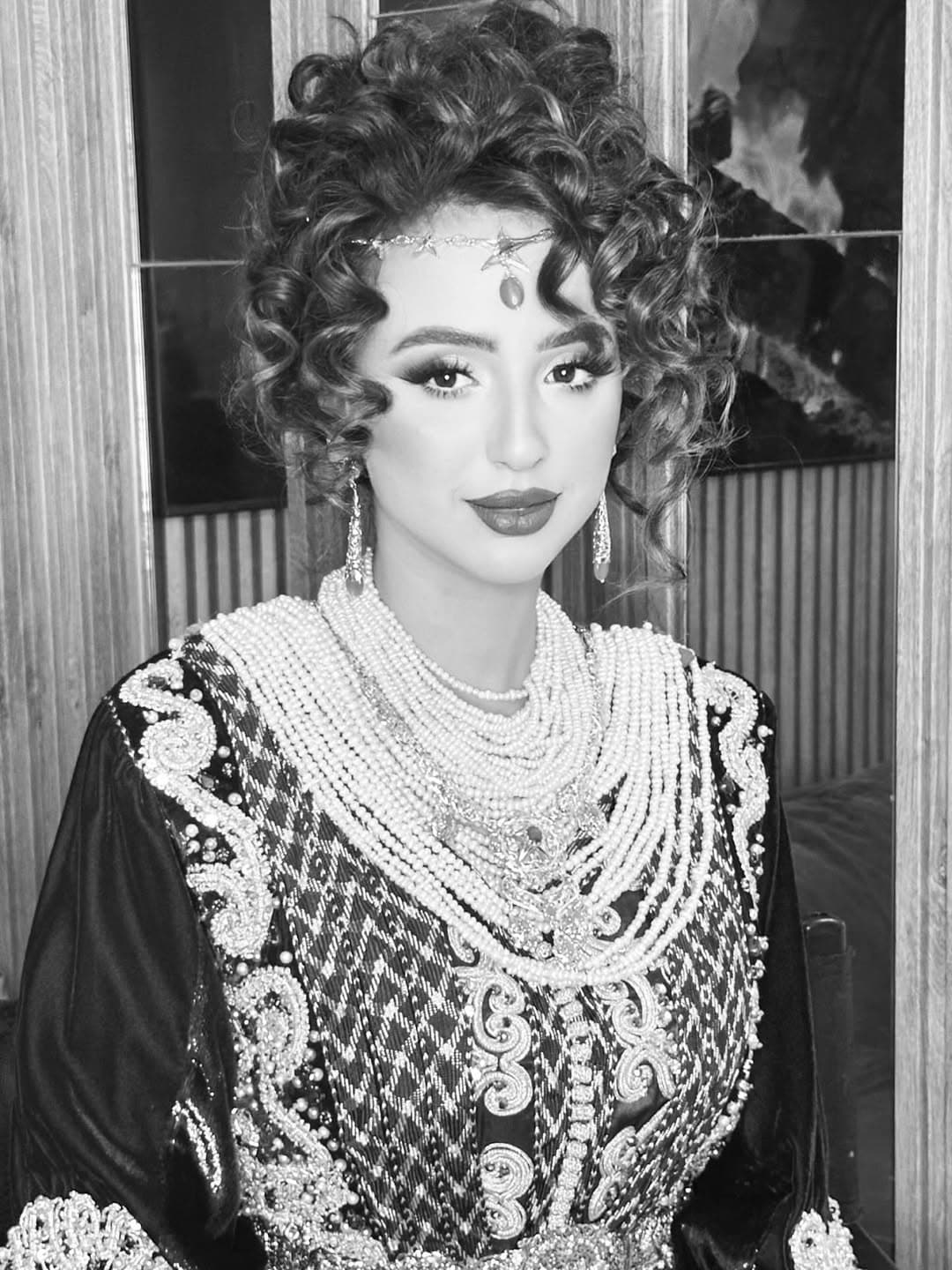
Kaftan, Takchita & the Bride's Outfit Changes: A Moroccan Bridal Style Guide
Moroccan kaftan vs takchita explained, plus the bride's 5-7 outfit changes, fabrics, colours, costs and modern takchita trends for your wedding day.
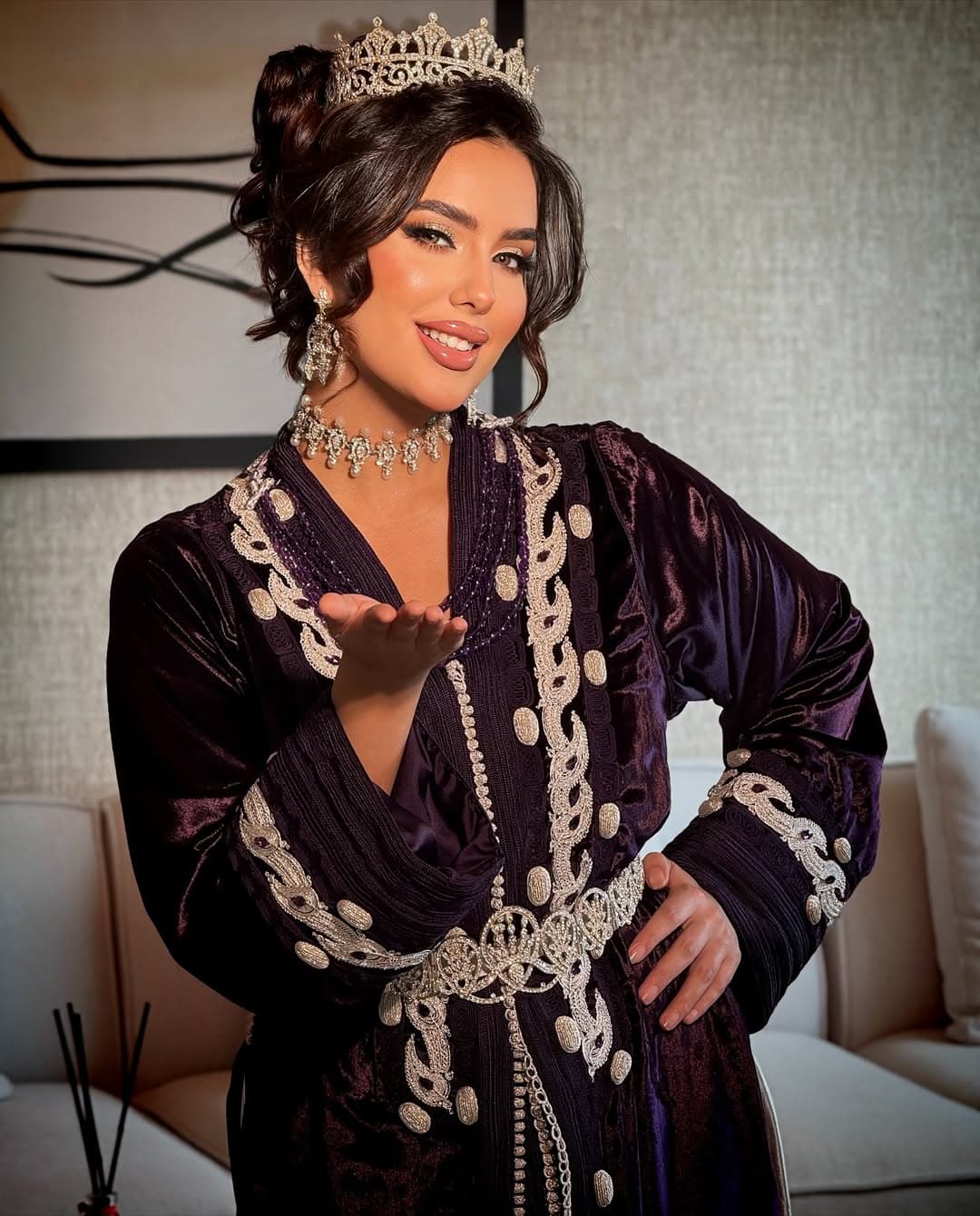
Henna Night (Laylat al-Henna): A Complete Guide to the Moroccan Tradition
A warm, practical guide to the Moroccan henna night (Laylat al-Henna): its meaning, who attends, how the ceremony unfolds, designs, and how to plan your own.
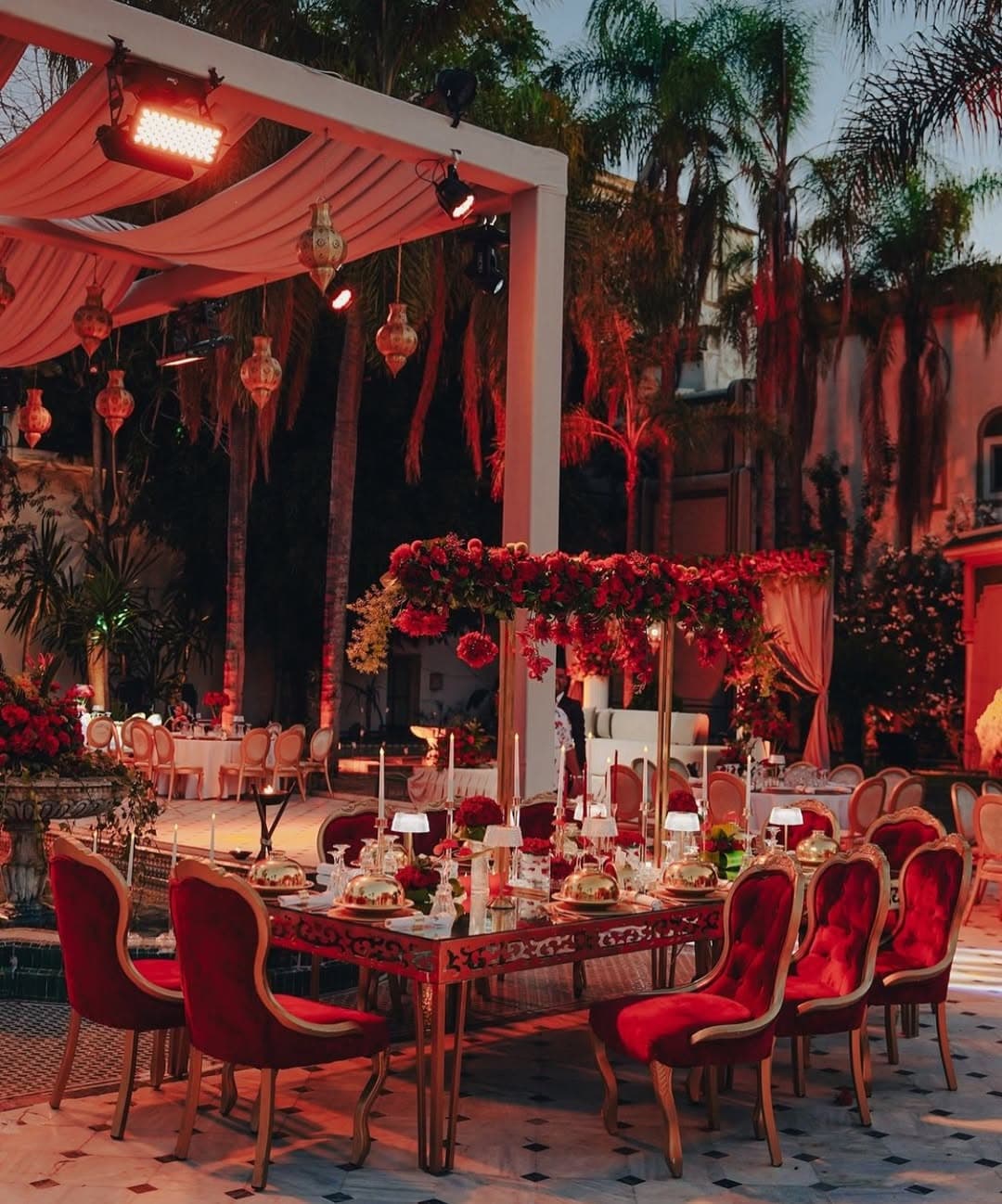
Best Wedding Venues in Rabat (2026 Guide)
Discover the best wedding venues in Rabat for 2026, from historic palaces to garden estates, with capacity tips, cost ranges, and how to book your dream day.