Negafa Dar Almaz
Casablanca
View venue page
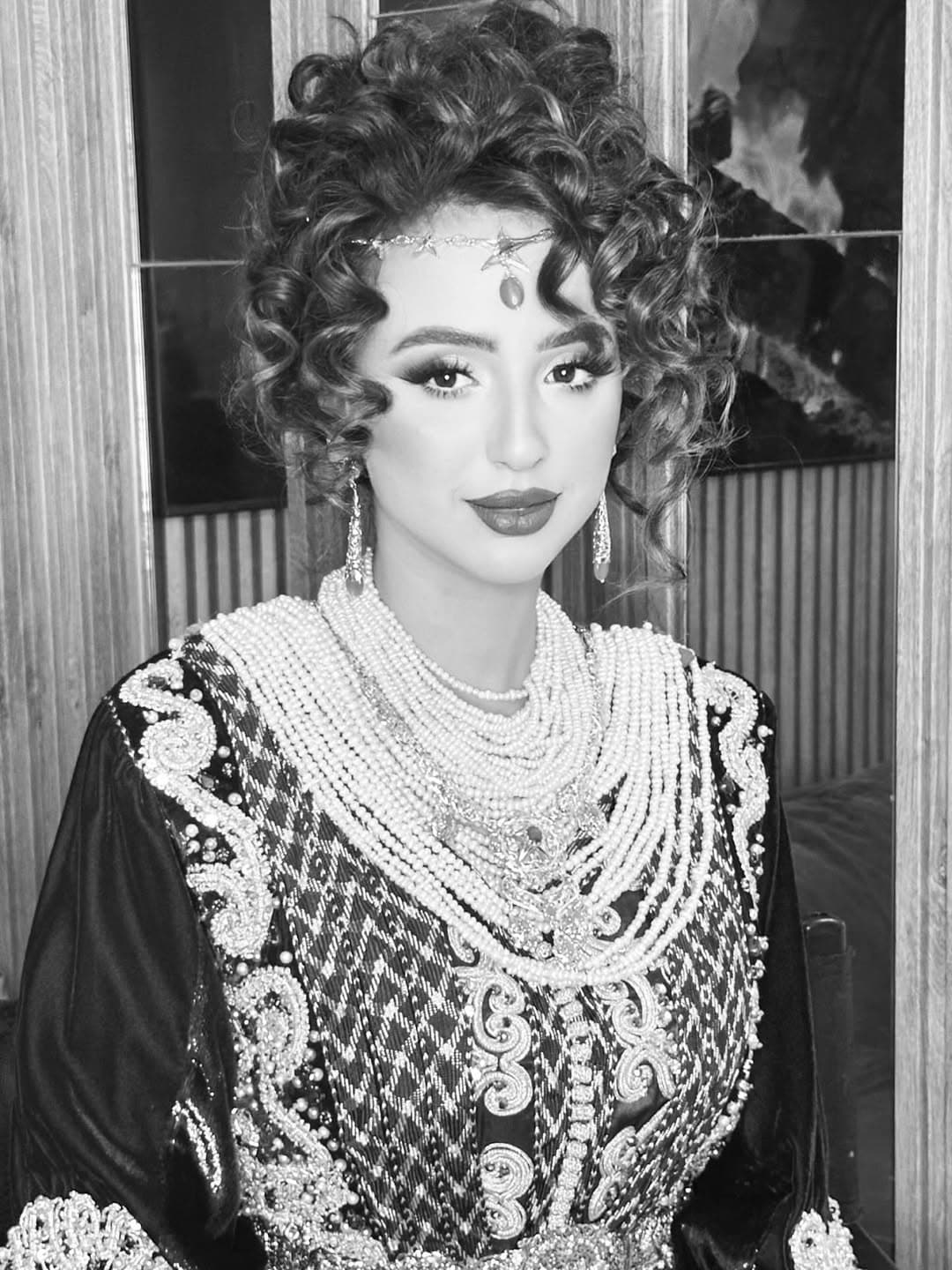
Inspiration Guide
A negafa is the traditional Moroccan bridal stylist who dresses the bride, coordinates kaftan changes, and orchestrates the Amaria procession. Here's what she actually does, when to book, and how to choose one.
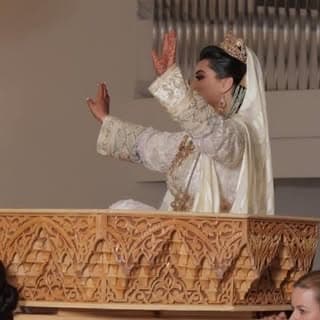
A negafa (also spelled nkafa or nekafa) is the traditional Moroccan bridal stylist who dresses the bride, styles her hair and accessories, coordinates three to seven kaftan changes during the wedding evening, and orchestrates the Amaria procession when the bride is carried into the celebration on an ornate ceremonial seat. She is the single most important supplier at a traditional Moroccan wedding — closer to a wedding director than a beauty professional — and most couples book her ten to twelve months before the wedding date.
This guide is for couples planning a Moroccan wedding (in Morocco or abroad) who want to understand what a negafa actually does, how to choose one, and what to expect from the booking process.
A negafa's role goes far beyond dressing the bride. She is the cultural keeper of the wedding evening — making sure each ceremonial outfit, each procession, and each tradition is presented at the right moment, in the right order, with the right music.
A full-service negafa typically handles:
In short, the negafa is responsible for the experience of the evening, not just the bride's appearance.
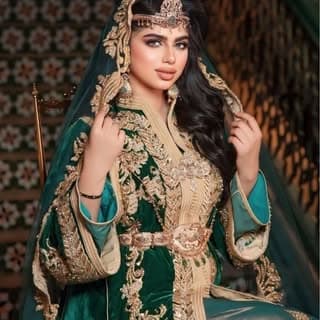
A traditional Moroccan wedding is not one ceremony — it's a sequence of presentations that span four to six hours of an evening. The bride does not stay in one dress and one chair. She enters on the Amaria, retires to a side room, returns in a different kaftan from a different region, then again, then again. Each outfit references a different Moroccan tradition: a Fassi gold-embroidered tanguif, a Rifian costume, an Amazigh ensemble, a modern white gown for the "Western" portion of the evening.
Without a negafa, the choreography simply does not work. Each outfit change takes 8 to 15 minutes. Each headpiece needs experienced hands to pin. Each presentation needs a cue to the band. This is why couples in Casablanca, Rabat, Marrakech, Fes, Tangier, Agadir, and beyond consider booking a negafa the first major decision of their planning process.
A standard mid-range Moroccan wedding will feature five outfit changes. Smaller intimate weddings may have three. Large multi-day celebrations sometimes feature seven.
A typical sequence of presentations:
Each change requires its own headpiece, belt, jewellery set, and footwear. A negafa either provides all of this from her own wardrobe collection or coordinates with the bride's personal pieces.
The right negafa depends on three things: regional tradition expertise, wardrobe quality, and personality fit.
Regional expertise — A negafa in Fes will know Fassi traditions inside-out and may have a deeper tanguif wardrobe. A negafa in Marrakech often handles destination weddings with international guests and can adapt the choreography for couples unfamiliar with Moroccan customs. A negafa in Casablanca tends to be more modern in styling. Match her base city to the kind of evening you want.
Wardrobe quality — Ask to see the full collection she would propose for your evening. Examine the embroidery up close, the condition of the headpieces, the variety of belts. A senior negafa typically maintains a wardrobe of 80 to 150 pieces.
Personality fit — You will spend the most intense night of your life next to her. Quick decisions, calm voice, ability to manage your family politely — these matter more than her social media presence.
Practical questions to ask before booking:
The top negafas in Casablanca, Marrakech, and Rabat are typically booked ten to twelve months ahead for Saturday weddings in peak season (April to October). For a Friday or weekday wedding, six to eight months is usually enough. Off-season weddings (December and January, excluding holidays) often allow shorter lead times.
If you have a specific negafa in mind — for example because she styled a relative or a friend — reach out as soon as your date is set. Even a soft hold without final confirmation can secure her availability.
Here are negafas listed on Wervice across the four most common destination cities:
You can browse the full directory of negafas across Morocco on Wervice — by city, traditional specialty, and availability.
What does the word "negafa" mean? Negafa (نقافة in Arabic) refers to the role of the traditional Moroccan bridal stylist. The word is sometimes spelled nkafa or nekafa in Latin script. Plural is negafat.
How early in the day does the negafa arrive? Usually five to six hours before the bride's first entrance. For a 9 PM ceremony, that means around 3 PM on site, depending on the complexity of the first outfit.
Does the negafa do the bride's makeup? Sometimes, but most modern weddings book a separate makeup artist. The negafa coordinates with the makeup artist on timing for retouches between outfit changes.
Can I bring my own kaftans, or do I have to use hers? Most negafas work with a mix — some of your personal pieces (often the Takchita and the white gown) and several from her wardrobe. Discuss this at the consultation.
Do I need a negafa for a small intimate wedding? If the wedding includes Moroccan ceremonial elements — Amaria, kaftan changes, traditional music — yes. For a fully Western ceremony with no traditional elements, no.
What is the difference between a negafa and a wedding planner? A wedding planner handles vendors, logistics, and budget across the entire wedding. A negafa handles only the bride's styling, outfit changes, and the ceremonial choreography of the evening. Many couples hire both.
Kaftan, Takchita & the Bride's Outfit Changes: A Moroccan Bridal Style Guide
Moroccan kaftan vs takchita explained, plus the bride's 5-7 outfit changes, fabrics, colours, costs and modern takchita trends for your wedding day.
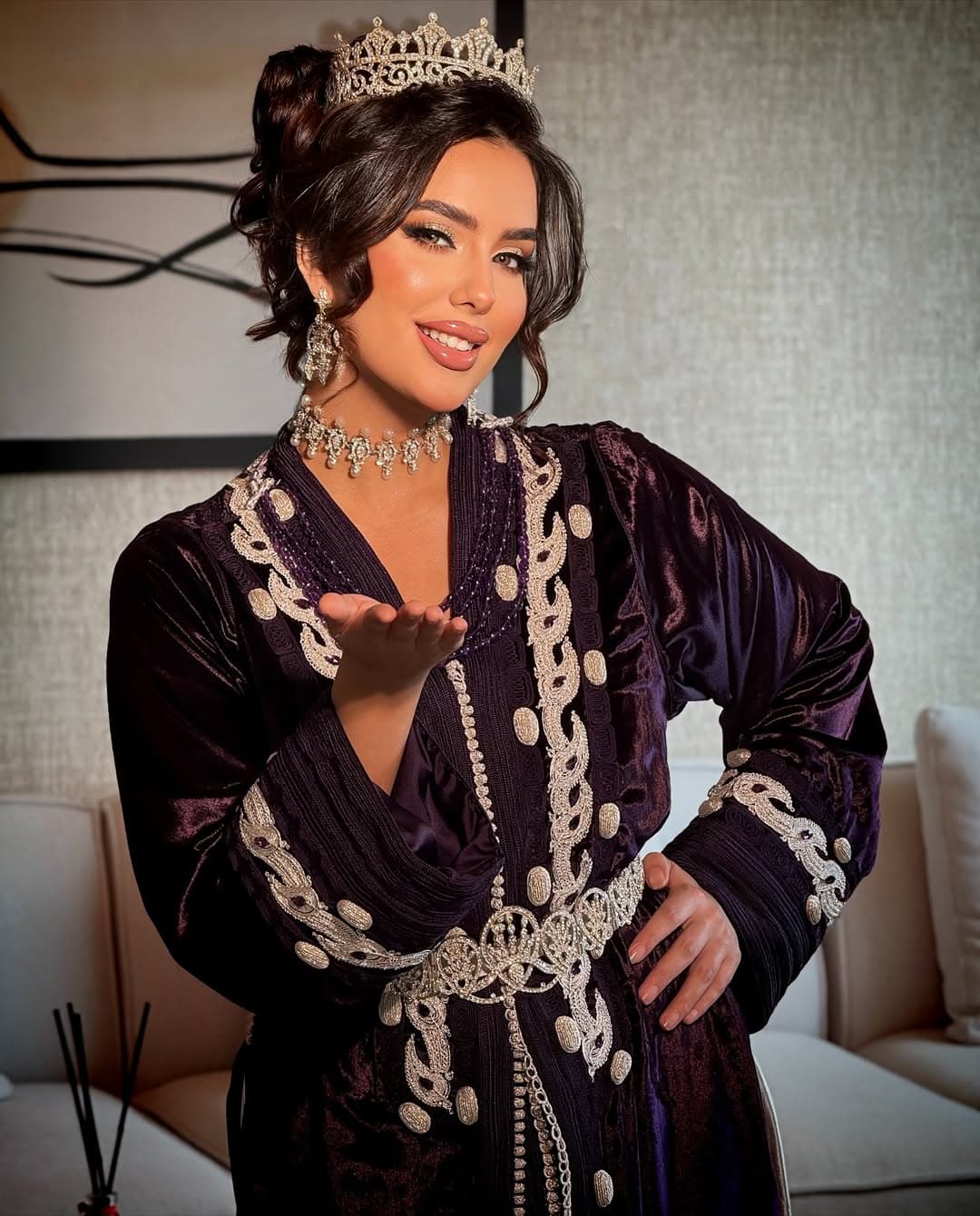
Henna Night (Laylat al-Henna): A Complete Guide to the Moroccan Tradition
A warm, practical guide to the Moroccan henna night (Laylat al-Henna): its meaning, who attends, how the ceremony unfolds, designs, and how to plan your own.
Moroccan Wedding Planning Timeline: Your 12-Month Checklist
A practical Moroccan wedding planning timeline and wedding checklist for Morocco: month-by-month tasks for venue, negafa, caterer, dresses, henna and the big day.