
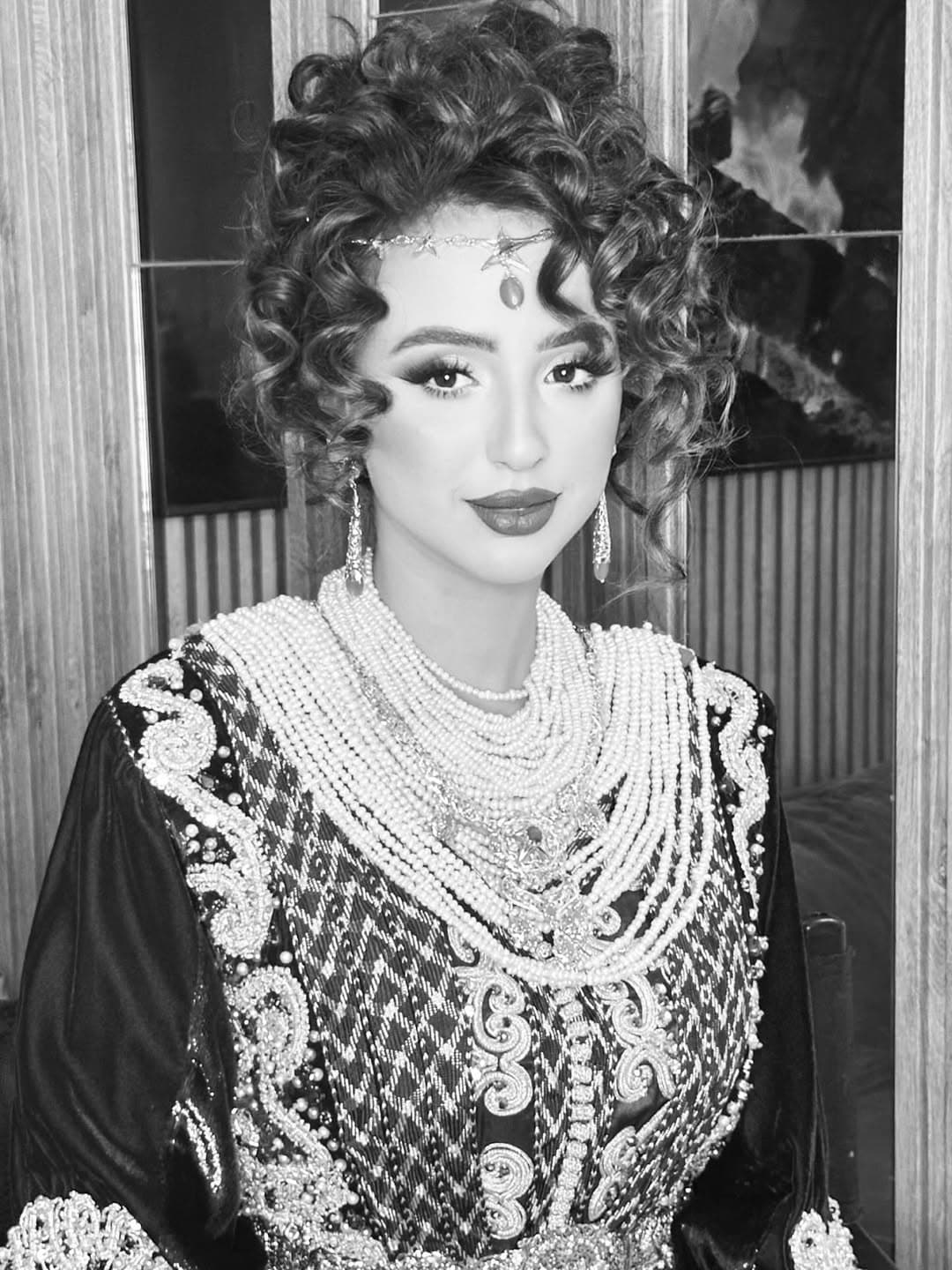
Inspiration Guide
Kaftan, Takchita & the Bride's Outfit Changes: A Moroccan Bridal Style Guide
Overview
Moroccan kaftan vs takchita explained, plus the bride's 5-7 outfit changes, fabrics, colours, costs and modern takchita trends for your wedding day.
Kaftan, Takchita & the Bride's Outfit Changes: A Moroccan Bridal Style Guide
A Moroccan wedding is, among many other things, a fashion event. Over the course of a single night the bride may appear in five, six, even seven distinct looks, each one a small piece of theatre staged by her stylist. If you are planning a Moroccan wedding, or you have simply been invited to one and want to understand what you are watching, the two words you need first are kaftan and takchita. They are not interchangeable, and knowing the difference is the foundation for everything else.
This guide walks through what each garment actually is, why the bride changes so many times, the craftsmanship behind the fabrics, what the colours mean, who orchestrates it all, and roughly what it costs to dress a Moroccan bride.
Kaftan vs Takchita: The Key Difference
The single most useful thing to learn is that a kaftan is one garment, while a takchita is two.
A kaftan is a long, flowing one-piece robe with wide sleeves, worn loose or lightly belted. Historically it was an everyday and ceremonial garment for both women and men across the Maghreb, and today its women's version remains a versatile dress worn to engagements, family gatherings and religious holidays as well as weddings.
A takchita is the more elaborate, distinctly bridal evolution of the kaftan, and it is built in two layers:
- The tahtiya (also called the dfina), the inner under-dress. This is usually a simpler, lighter layer in satin or a plain fabric.
- The fouqia, the outer overdress. This is the showpiece, heavily embroidered, often semi-sheer or richly patterned so the inner layer glimmers through.
The two pieces are then cinched at the waist with an mdamma, a wide belt that is frequently a serious work of craftsmanship in its own right, set with metalwork, beadwork or even precious stones.
| Feature | Kaftan | Takchita | | --- | --- | --- | | Number of pieces | One (single robe) | Two (tahtiya plus fouqia overdress) | | Belt | Optional, often none | Almost always belted with an mdamma | | Typical use | Everyday, holidays, guests, less formal events | Formal and bridal centrepiece looks | | Level of embellishment | Light to moderate | Heavy embroidery and trim |
In short: every takchita evolved from the kaftan, but not every kaftan is a takchita. Brides wear both across the night, with takchitas reserved for the grandest moments.
The Bride's Outfit Changes: Why So Many?
One of the most striking features of a traditional Moroccan wedding is the sequence of outfit changes. A bride commonly moves through five to seven looks in one evening, and each change is its own staged reveal rather than a quick swap behind a curtain.
Why so many? Because each outfit is, in effect, a costume representing a region or era of Morocco. The bride becomes a living tour of the country's heritage. A typical progression might include:
- An opening white gown, often a European-style white dress or a white takchita, marking the formal start of the celebration.
- A Fassi look, drawn from the imperial city of Fez, known for its sumptuous brocades and refined, classical takchitas.
- A Soussi or Amazigh (Berber) look, celebrating the south and the mountains, with heavier silver jewellery, layered textiles and bolder, geometric ornamentation.
- A Sahrawi look, evoking the Saharan south with the flowing draped melhfa and distinctive gold.
- A green henna kaftan, worn for the henna ritual, with green symbolising baraka (blessing), fertility and good fortune.
Other looks may nod to Tetouan, the Rif or the Andalusian-influenced north. The exact line-up is chosen by the bride and her stylist together, balancing family heritage, personal taste and budget.
These reveals are formally presented. The grand entrance of the bride, carried into the hall, is the tanguif moment, while the seated presentation of the bride on her ceremonial throne is the sahriya. These are the punctuation marks of the night, and the outfit changes are timed around them.
Fabrics, Embroidery and Craftsmanship
What makes a takchita expensive, and worth it, is the handwork. The garment is a portable piece of Moroccan textile artistry.
Key elements to look for:
- Brocade and silk-blend jacquards, the dense, patterned weaves that give Fassi-style takchitas their weight and shine.
- Mtfel, intricate hand-couched embroidery built up across the bodice and panels.
- Sfifa and aqad, the braided passementerie trim and hand-knotted buttons that run down the front opening and edge the cuffs. The aqad knots are tied entirely by hand, and a single garment can carry dozens.
- Randa, the fine openwork lace-like edging that frames necklines and hems.
- Beadwork and crystal, applied by hand for the most lavish bridal and reveal pieces.
A fully hand-finished takchita can take a workshop weeks to complete, which is precisely why the best pieces command the prices they do.
Colours and Their Meaning
Colour in a Moroccan bridal wardrobe is never accidental. While modern brides mix freely, the traditional associations still guide many choices:
- White: purity and the formal opening of the celebration.
- Green: blessing, fertility and prosperity, which is why the henna kaftan is so often green.
- Gold and ivory: prestige, wealth and the imperial Fassi aesthetic.
- Red and deep crimson: love, strength and celebration, a popular choice for a striking reveal.
- Blue, particularly Majorelle and royal blues: increasingly fashionable, evoking both the Sahara and contemporary Moroccan design.
A well-planned sequence usually moves through a deliberate colour story, so no two reveals feel repetitive.
The Negafa's Role in Styling and the Changes
None of this happens by itself. The choreographer of the entire wardrobe is the negafa, the traditional Moroccan bridal stylist.
The negafa supplies or curates the takchitas, dresses the bride for each look, manages her hair, jewellery and accessories, and times every change so the night flows. She is closer to a master of ceremonies than a beautician, and the smoothness of the outfit changes is the clearest measure of a good one. If you want the full picture of what she does and when to book her, our guide to the negafa and her role goes deeper, and the wider Moroccan wedding traditions guide sets these rituals in context.
Crucially, many brides do not own most of these outfits. The negafa typically owns a wardrobe of takchitas she rents and restyles for each client, which is what makes seven looks in one night financially possible.
Renting vs Custom-Made, and What It Costs
There are two routes to a bridal wardrobe, and most couples use a blend of both.
Renting through a negafa or a dress house is the standard. You get access to a full rotation of looks, accessories and the belts, all maintained and fitted, without owning anything afterwards. This is by far the most cost-effective way to achieve a multi-look night.
Custom-made is for the pieces the bride wants to keep, most often the henna kaftan or a single signature takchita commissioned from a designer.
Approximate price ranges (these are indicative MAD figures and vary widely by city, designer and season):
- A rented takchita look, per piece: approximately 2,000 to 8,000 MAD.
- A full negafa package covering multiple outfit changes plus styling: commonly 15,000 to 60,000 MAD and up, depending on prestige and the number of looks.
- A custom-made designer takchita to own: roughly 8,000 to 40,000 MAD or more for heavily hand-worked couture.
Treat these as ballpark figures to frame conversations, not fixed quotes. To browse and compare options, see the dress houses in Casablanca and in Rabat, and for bespoke commissions our roundup of top wedding dress designers in Casablanca is the place to start.
Modern Trends
Today's takchita is evolving fast. Designers are slimming silhouettes for a more fitted, gown-like line, experimenting with detachable trains and capes, and reaching for non-traditional palettes like dusty rose, sage and Majorelle blue. Sustainable and rental-first thinking is growing too, with brides happily renting statement reveals and saving their budget for one custom heirloom piece. The henna kaftan, meanwhile, remains the most tradition-bound look of the night, a reassuring constant amid all the reinvention.
Frequently Asked Questions
What is the difference between a kaftan and a takchita? A kaftan is a single one-piece robe, while a takchita is a two-piece outfit made of an inner under-dress (tahtiya or dfina) and an embroidered outer overdress, cinched together with an mdamma belt. Every takchita is a more elaborate, bridal evolution of the kaftan.
How many outfits does a Moroccan bride wear? Most traditional Moroccan brides wear five to seven looks across the wedding night, though three is also common for a smaller celebration. Each outfit typically represents a different region or era of Morocco.
Do brides buy or rent their takchitas? Most rent them, usually through their negafa, who owns a wardrobe of takchitas and restyles them for each client. Couples often custom-make just one or two pieces, such as the green henna kaftan, to keep.
Why does the bride wear green for the henna? Green symbolises baraka (blessing), fertility and good fortune in Moroccan tradition, which makes it the natural choice for the henna ritual that precedes or accompanies the wedding.
What is the mdamma? The mdamma is the wide ceremonial belt that cinches a takchita at the waist. It is often a finely crafted piece in its own right, decorated with metalwork, beadwork or stones, and it defines the takchita's signature shape.
Ready to plan your own wardrobe of unforgettable looks? Explore Wervice's curated dress houses and stylists, browse designer takchitas in Casablanca and Rabat, and connect with a negafa who can choreograph every reveal of your big night.
More Inspiration
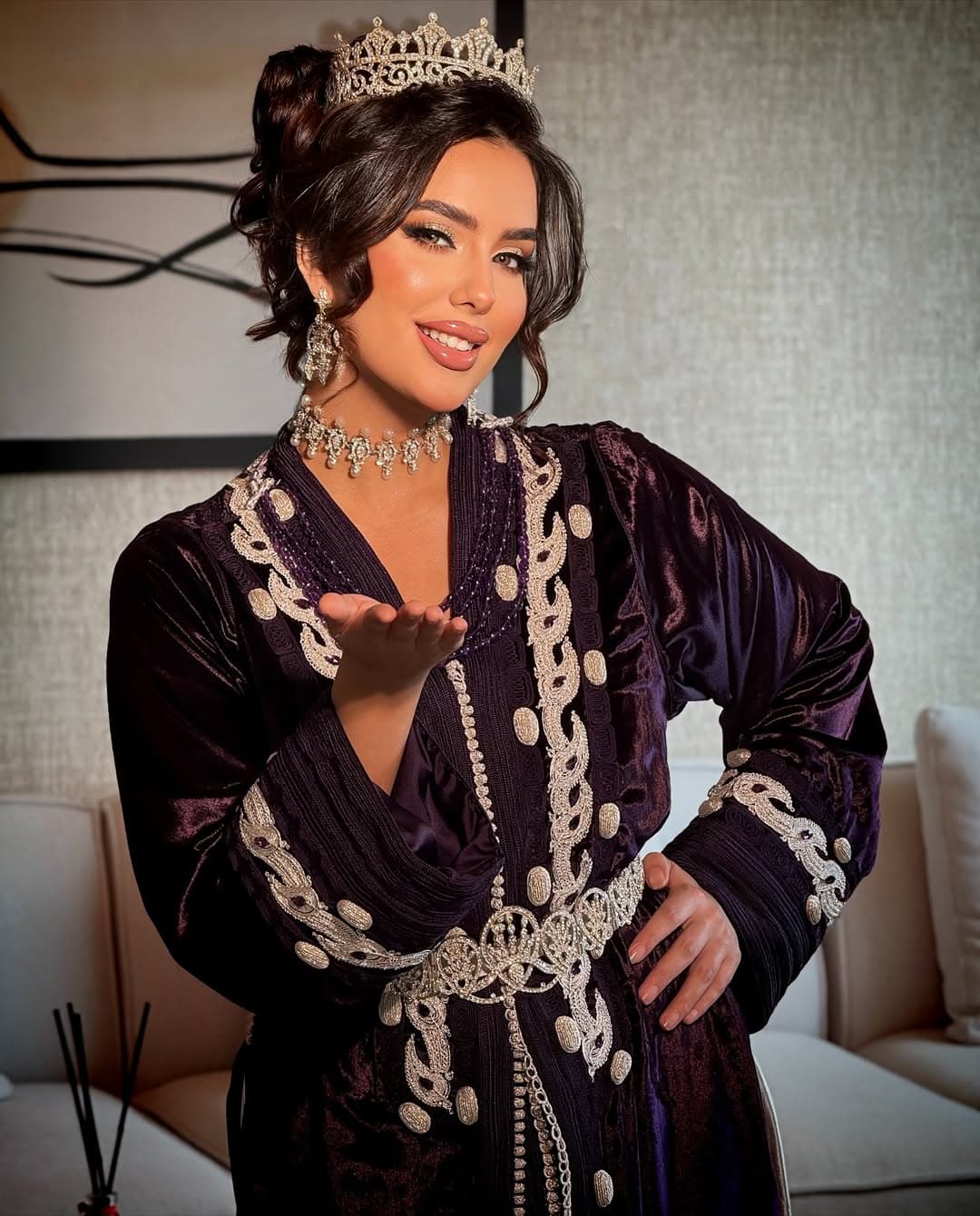
Henna Night (Laylat al-Henna): A Complete Guide to the Moroccan Tradition
A warm, practical guide to the Moroccan henna night (Laylat al-Henna): its meaning, who attends, how the ceremony unfolds, designs, and how to plan your own.
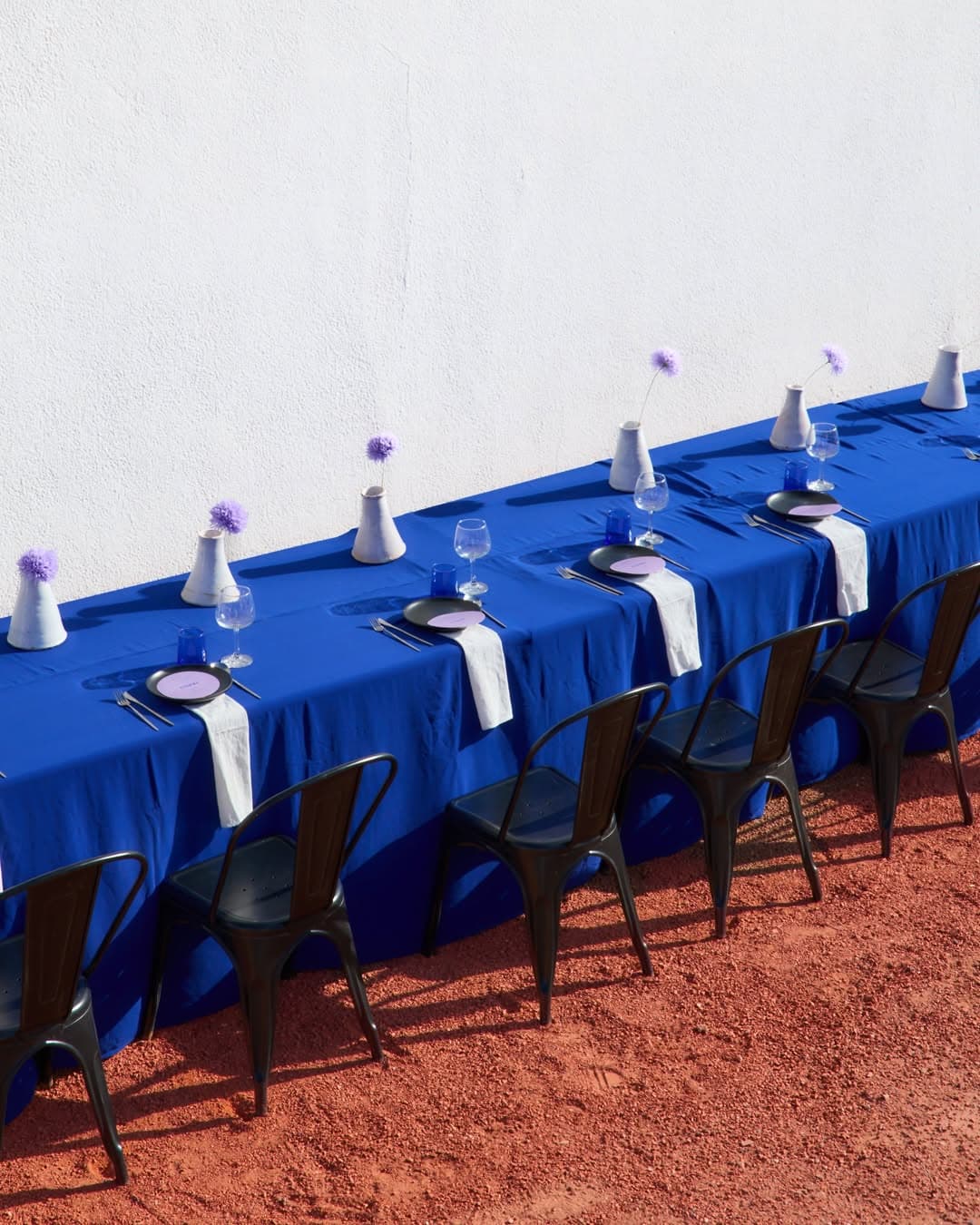
Moroccan Wedding Planning Timeline: Your 12-Month Checklist
A practical Moroccan wedding planning timeline and wedding checklist for Morocco: month-by-month tasks for venue, negafa, caterer, dresses, henna and the big day.
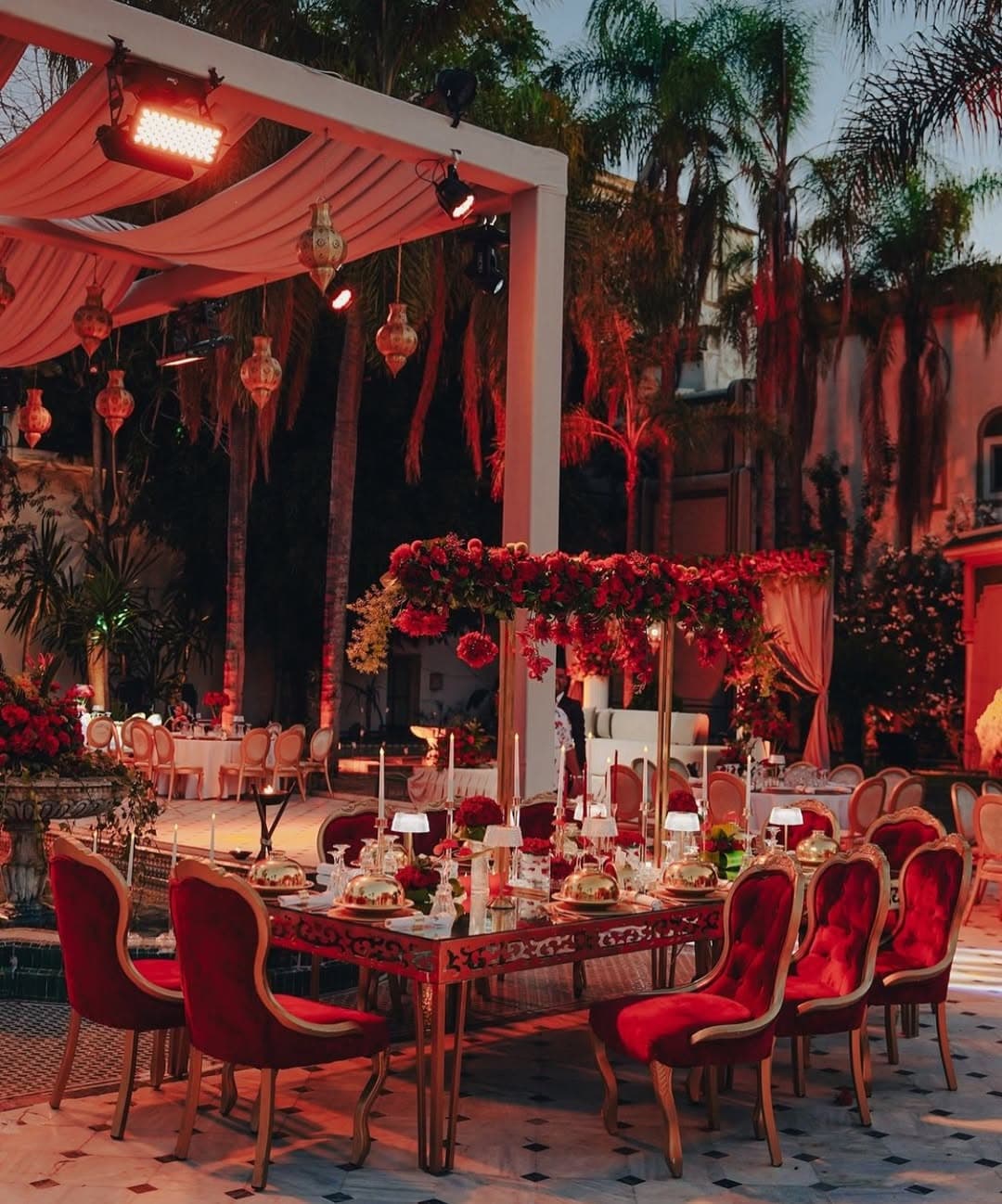
Best Wedding Venues in Rabat (2026 Guide)
Discover the best wedding venues in Rabat for 2026, from historic palaces to garden estates, with capacity tips, cost ranges, and how to book your dream day.