
Inspiration Guide
Henna Night (Laylat al-Henna): A Complete Guide to the Moroccan Tradition
Overview
A warm, practical guide to the Moroccan henna night (Laylat al-Henna): its meaning, who attends, how the ceremony unfolds, designs, and how to plan your own.
Henna Night (Laylat al-Henna): A Complete Guide to the Moroccan Tradition
Of all the rituals that make a Moroccan wedding feel like a Moroccan wedding, none is more beloved than the henna night. Known in Arabic as Laylat al-Henna — literally "the night of henna" — it is the warm, women-centered celebration that opens the wedding festivities, where the bride is adorned, blessed, and surrounded by the people who love her most. This guide walks you through what the henna night is, what it means, how the evening actually unfolds, and how to plan one of your own.
What Is the Henna Night and Where It Sits in the Wedding
A traditional Moroccan wedding rarely happens in a single day. It typically spans two to three days of distinct ceremonies, and the henna night is one of the first. You can think of it as the emotional overture to everything that follows.
The henna night is held one to three nights before the main celebration (the urs), the grand evening of the Amaria palanquin procession and the bride's succession of kaftan changes. Where the main wedding is public and spectacular, the henna night is intimate, candle-lit, and deeply personal. For a fuller picture of how these stages connect, our overview of Moroccan wedding traditions maps the entire arc from engagement to the final feast. You can also see a concise definition in our glossary entry for the henna ceremony.
Meaning and Symbolism
Henna is far more than decoration. For centuries across Morocco and the wider Maghreb, the plant has been associated with baraka — a sense of blessing and divine grace. Applying it to a bride carries layered meaning:
- Protection and baraka. Henna is believed to safeguard the bride as she steps into a new chapter of life.
- Warding off the evil eye. The dark, intricate patterns are thought to deflect envy and ill wishes during a vulnerable, joyful transition.
- Fertility and prosperity. Henna's associations with abundance make it a natural emblem of a fruitful marriage.
- Joy and community. Above all, the night is a gathering — laughter, song, and the women of two families becoming one circle.
There is also a quiet, practical tenderness to the tradition: the deeper and longer-lasting the bride's henna stain, the more affection and good fortune the marriage is said to hold.
When It Happens and Who Attends
The henna night usually takes place in the evening, after dusk, in the bride's family home or a rented riad or salle des fêtes. It is traditionally a women's celebration — the bride, her mother, sisters, aunts, cousins, future mother-in-law, and close friends.
| Element | Typical detail | | --- | --- | | Timing | 1–3 nights before the main wedding | | Setting | Family home, riad, or event hall | | Primary guests | Women of both families and close friends | | Duration | 2–4 hours, often late into the night | | Mood | Intimate, festive, music-filled |
In many contemporary celebrations the groom and male relatives join for part of the evening, and some couples now host a mixed henna party. Both are perfectly accepted — Moroccan tradition is generous enough to flex around each family.
How the Night Unfolds
The henna night follows a loose but recognizable rhythm, orchestrated by two key figures: the negafa (the bridal stylist who dresses and choreographs the bride's appearances) and the hannaya or neqqasha (the henna artist).
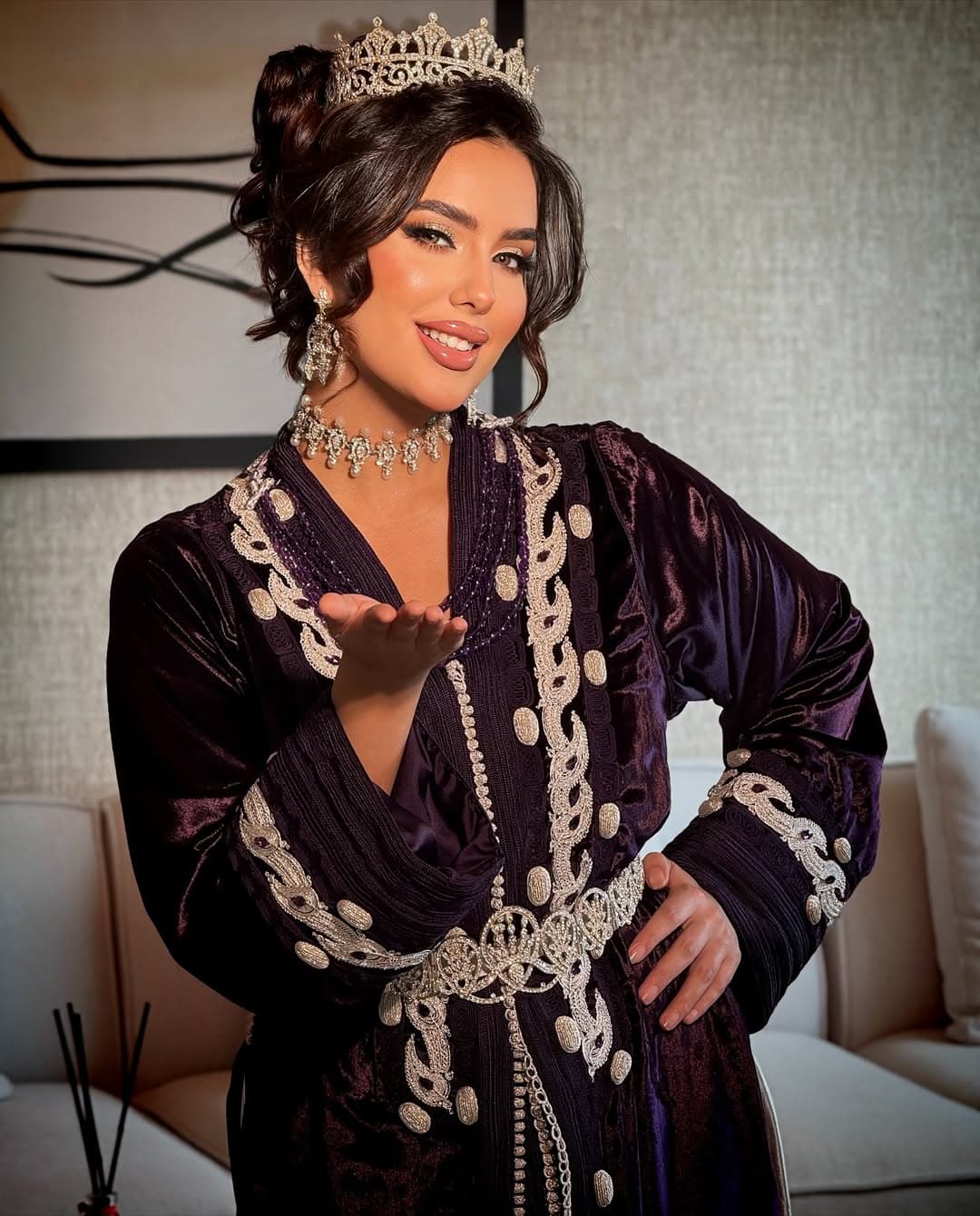
- The negafa dresses the bride. She presents the bride in a richly embroidered ceremonial kaftan — frequently green, a color tied to baraka, paradise, and good fortune, though deep jewel tones are also common. The negafa adds the jewelry, belt (mdamma), and headpiece. To understand this role fully, read our guide to what a negafa does or the short negafa glossary definition.
- The hannaya applies the henna. The henna artist pipes intricate designs onto the bride's hands and feet using a fine cone. A bridal design can take from one to several hours, and the paste is left on to deepen before it is gently removed.
- Dates, milk, and sweetness. The bride is often offered dates and a glass of milk — symbols of a sweet, nourished beginning — and trays of Moroccan pastries circulate among the guests.
- Candles and light. Candles are lit and sometimes carried in a small procession, filling the room with a soft, ceremonial glow.
- Zaghareet and song. The air fills with zaghareet (the high, trilling ululation of celebration), hand-clapping, and traditional repertoire — and in larger celebrations, a neggafa troupe of musicians and singers performs to keep the energy alive.
Guests, too, frequently receive a small dab of henna — a shared blessing that folds everyone present into the good fortune of the night.
Henna Designs and What They Mean
Moroccan henna has a distinctive visual language, generally more geometric and architectural than the floral, paisley-heavy styles of South Asia. Lines, diamonds, and repeating motifs echo the patterns of zellige tilework and Berber textiles.
- Traditional Amazigh (Berber) motifs — angular symbols historically linked to protection, fertility, and tribal identity.
- Geometric Fassi-style work — fine, symmetrical patterns associated with Fez.
- Modern fusion designs — softer florals, lace effects, and negative-space "glove" patterns popular with younger brides.
Color carries meaning, too. Classic henna leaves a reddish-brown stain; some brides also choose decorative accents, though true henna is always the symbolic heart of the night.
| Style | Character | Best for | | --- | --- | --- | | Amazigh / Berber | Bold, angular, symbolic | Heritage-forward brides | | Fassi geometric | Fine, dense, symmetrical | Classic, formal looks | | Modern fusion | Floral, airy, minimal | Contemporary celebrations |
What the Bride and Guests Wear
The bride's look is the centerpiece. Beyond the ceremonial kaftan, she wears statement jewelry and an elaborate headdress assembled by the negafa. Hands and feet are bare to receive the henna.
Guests dress festively in kaftans, takchitas, or djellabas, often in jewel tones. Comfortable, slip-off footwear is wise, since henna on the feet means time spent seated and still. Many guests also book their own hair and makeup for the occasion — Moroccan henna nights are photographed lovingly, and looking the part is half the fun.
How to Plan Your Own Henna Night
A memorable henna night comes down to three bookings made early and coordinated well.
- Book a negafa. The negafa is the heart of the evening — she sources the kaftan, jewelry, and accessories and choreographs the bride's presentation. Browse specialists through our Rabat negafa directory and read affordable negafa pointers and pricing context before you commit.
- Book a henna artist (hannaya). Reserve an experienced artist well ahead, especially in peak wedding season. Our Rabat henna and beauty guide explains what to look for and what to expect on the night.
- Book beauty and makeup. Lock in hair and makeup for the bride and, often, her mother and sisters. Compare artists on the Rabat beauty hub or the Casablanca beauty hub, and see our roundup of makeup artists in Rabat for inspiration.
Approximate budget
Prices vary widely by city, season, and reputation, so treat the following as approximate ranges in Moroccan dirham (MAD), not quotes:
- Negafa for the henna night: roughly 3,000–12,000 MAD (approximate), more for elite stylists or multiple kaftans.
- Henna artist: roughly 800–4,000 MAD (approximate), depending on design complexity and time.
- Beauty and makeup: roughly 1,000–4,000 MAD (approximate) per person for hair and makeup.
Always confirm current pricing and what each package includes directly with the vendor.
Frequently Asked Questions
What is Laylat al-Henna? Laylat al-Henna is the Moroccan henna night, a pre-wedding celebration held one to three nights before the main wedding where the bride's hands and feet are decorated with intricate henna by a specialist, surrounded by family, music, and sweets.
Is the henna night only for women? Traditionally it is a women's gathering, but many modern Moroccan couples invite the groom and male relatives for part of the evening or host a fully mixed henna party. Both versions are widely accepted.
How long does Moroccan henna last? A well-applied stain typically lasts about one to three weeks, fading gradually. Keeping the paste on longer and avoiding water early on helps the color deepen and last.
What color kaftan does the bride wear for henna? Green is especially popular for its association with baraka and good fortune, but deep jewel tones are equally traditional. The negafa usually selects and styles the henna-night kaftan.
How far in advance should I book vendors? Book your negafa, henna artist, and beauty team as early as possible — ideally several months ahead for peak season (spring and summer), when the best specialists fill up quickly.
Plan a Henna Night to Remember
The henna night is where a Moroccan wedding first comes alive — in candlelight, song, and the slow, careful artistry of henna drawn across a bride's hands. When you are ready to bring that night to life, explore Wervice to find a trusted negafa in Rabat and beauty artists near you, and start building the celebration your family will remember for years.
More Inspiration
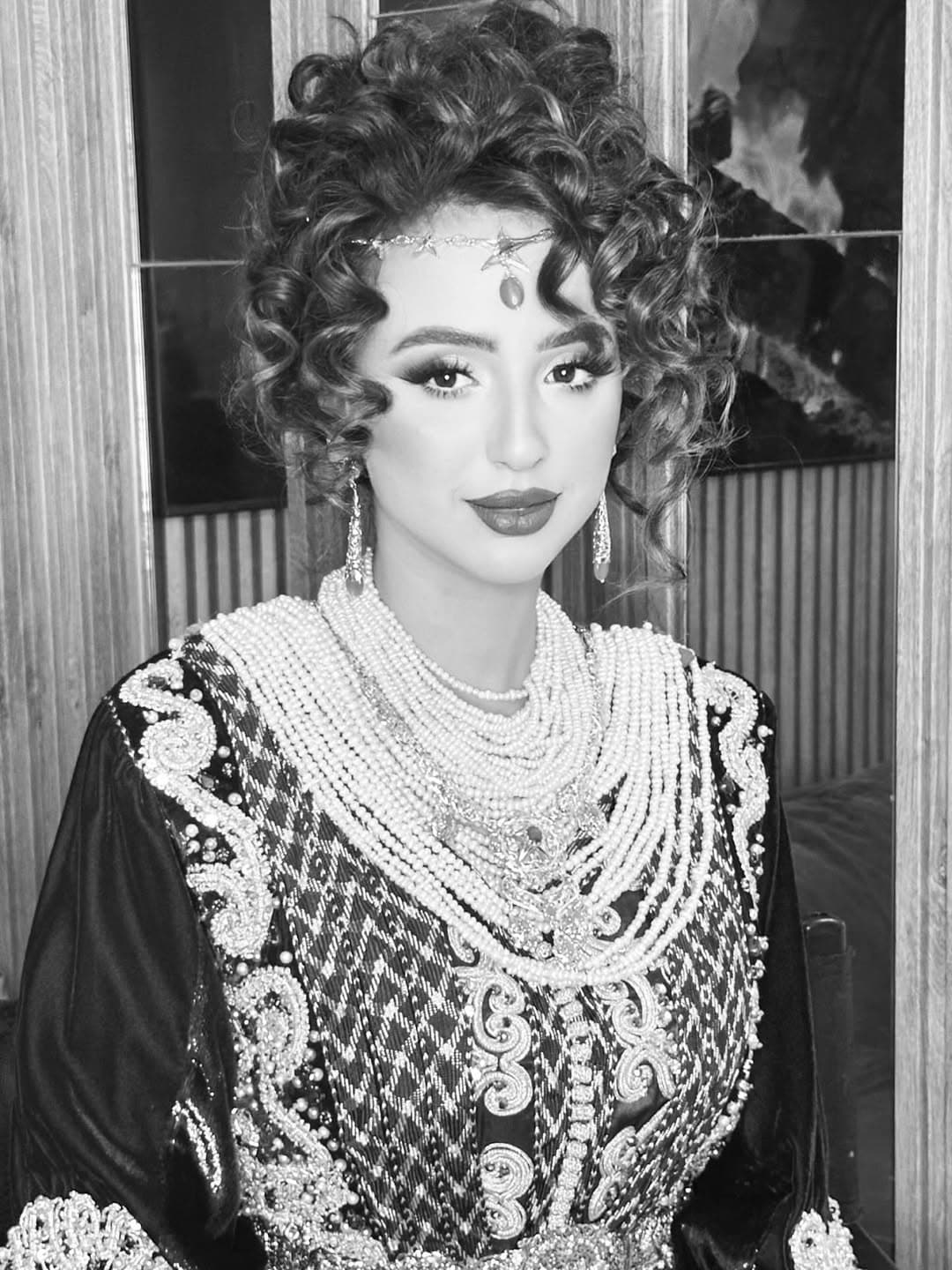
Kaftan, Takchita & the Bride's Outfit Changes: A Moroccan Bridal Style Guide
Moroccan kaftan vs takchita explained, plus the bride's 5-7 outfit changes, fabrics, colours, costs and modern takchita trends for your wedding day.
Moroccan Wedding Planning Timeline: Your 12-Month Checklist
A practical Moroccan wedding planning timeline and wedding checklist for Morocco: month-by-month tasks for venue, negafa, caterer, dresses, henna and the big day.
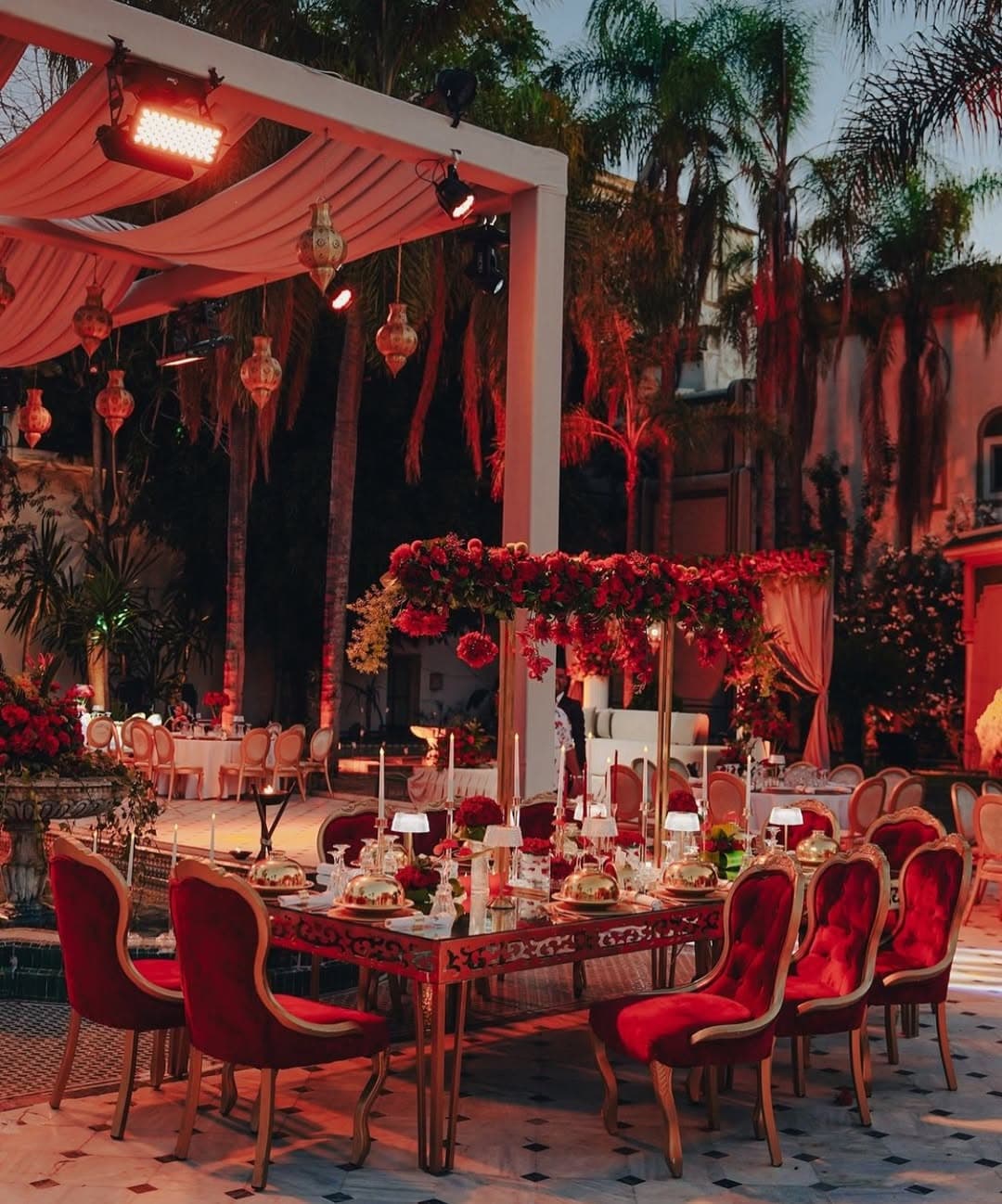
Best Wedding Venues in Rabat (2026 Guide)
Discover the best wedding venues in Rabat for 2026, from historic palaces to garden estates, with capacity tips, cost ranges, and how to book your dream day.