
دليل الإلهام
Moroccan Wedding Traditions: A Complete Guide
Overview
From the henna night and the negafa to the Amaria procession and seven kaftan changes, this complete guide explains Moroccan wedding traditions, their meaning, and the order they happen in.
Moroccan Wedding Traditions: A Complete Guide
A traditional Moroccan wedding is a multi-day celebration built around ceremony, hospitality, and visual spectacle. At its heart are a few signature customs: the henna night (laylat al-henna), the negafa (the bridal stylist who runs the bride's transformations), the bride's grand entrance on the Amaria, and a sequence of five to seven outfit changes in elaborate takchitas. This guide explains each tradition, what it means, and the order it happens in — so couples and guests know what to expect.
Key takeaways
- A full Moroccan wedding traditionally spans multiple events over several days, not one evening.
- The negafa is the central figure on the wedding night, managing outfits, jewelry, and the Amaria.
- The bride changes into 5 to 7 takchitas, each presented to guests during the reception.
- The reception is an evening event, often running from around 9 PM until 3 to 5 AM.
- Customs vary by region — Fassi, Soussi, Jebli, and Amazigh weddings each have distinct elements.
This guide is for couples planning a Moroccan wedding, guests attending one, and anyone researching Moroccan wedding customs and their meaning.
The order of a traditional Moroccan wedding
While details vary by family, region, and budget, most traditional weddings follow this sequence:
- Khotba (engagement / asking for the hand) — the families meet, the marriage is agreed, and an engagement is celebrated.
- Sdaq / dowry agreement — the sdaq (dowry) and marriage contract are settled, traditionally before an adoul (notary).
- Furniture and trousseau exchange — gifts and household items are presented, often in a small celebration.
- Hammam ritual — before the wedding, the bride visits the hammam (traditional bath) with close women for a purification and beauty ritual.
- Laylat al-henna (the henna night) — henna is applied to the bride for protection, blessing, and beauty.
- The wedding night / reception — the main celebration, featuring the negafa, the Amaria, multiple outfit changes, music, and a late feast.
The henna night (laylat al-henna)
The henna night is one of the most beloved Moroccan wedding traditions. A naqasha (henna artist) applies intricate designs to the bride's hands and feet. Henna symbolizes protection, fertility, and good fortune, and the darker the final color, the stronger the blessing is said to be. Female relatives and friends gather with traditional music, sweets, and milk-and-dates hospitality. Many brides wear a green takchita for this night, green being a color associated with blessing.
The negafa: the heart of the wedding night
The negafa is the professional bridal stylist who orchestrates the bride's entire transformation on the wedding night. She is far more than a dresser: she sources and manages the takchitas and caftans, the heavy traditional jewelry, the headpieces, and the Amaria, and she choreographs each presentation to the guests and the band.
Without a negafa, the choreography of a traditional Moroccan wedding simply does not work — each outfit change takes 8 to 15 minutes and needs experienced hands. To understand the role in depth, see our dedicated guide on what a negafa is, or browse negafa services directly.
The Amaria: the bride's grand entrance
The Amaria (also spelled ammariya) is an ornate, throne-like carriage on which the bride — and often the groom — is carried into the reception on the shoulders of bearers. Lifted high above the crowd to music and zaghareet (ululations), it is the dramatic centerpiece of the evening and a defining image of the Moroccan wedding. The bride is typically dressed for the Amaria in a white or richly embroidered takchita with full traditional jewelry.
The takchita changes: five to seven outfits
A signature of the Moroccan reception is the bride's series of outfit changes. Over the course of the night she appears in five to seven different looks, each a distinct takchita or regional costume, presented to the guests during the celebration. A common progression includes:
- A white bridal takchita for the Amaria entrance.
- The green takchita tied to the henna and blessing.
- Regional costumes — for example a Fassi, Soussi, Amazigh (Berber), Sahrawi, or Jebli look — that honor the couple's heritage.
- A modern white wedding gown for couples who blend Western and Moroccan styles.
Each change is managed by the negafa backstage and announced to the guests as the bride re-enters.
Music and celebration
Moroccan weddings are loud, joyful, and musical. Live groups perform throughout the night, and the style often reflects the region:
- Chaabi — popular folk-pop that fills the dance floor.
- Dakka Marrakchia — rhythmic percussion and chant from Marrakech.
- Daqqa / Aïssawa — trance-like percussion traditions.
- Gnawa — spiritual music with deep roots in southern Morocco.
- Andalusian (Tarab Al-Ala) — refined classical music common in Fes, Tetouan, and Tangier.
Zaghareet (ululations) from the women punctuate key moments, especially the Amaria entrance and each outfit reveal.
The wedding feast
Hospitality is central. A traditional reception serves a late-night feast that often includes a savory-sweet pastilla (often pigeon or chicken), mechoui (slow-roasted lamb) or a tagine, followed by seasonal fruit and Moroccan pastries (chebakia, kaab el ghazal, ghriba) with mint tea. Service comes well after midnight, once the ceremonial presentations are complete.
Regional variations
Morocco's wedding customs differ across communities:
- Fassi (Fes) — refined, Andalusian-influenced, known for elegant takchitas and classical music.
- Soussi (Agadir / Souss) — large family celebrations with strong Amazigh elements.
- Jebli (the northern Rif) — distinct dress, music, and mountain customs.
- Sahrawi (the south) — desert traditions with their own dress and rituals.
- Amazigh (Berber) — village weddings with silver jewelry, distinctive textiles, and communal celebration.
Couples increasingly mix elements — a Western gown alongside the Amaria, or a DJ alongside a live chaabi group — to reflect both heritage and modern taste.
Planning a traditional wedding today
Modern couples often condense the multi-day format into a main reception plus a henna night, while keeping the signature elements: the negafa, the Amaria, the takchita changes, and the late feast. The biggest budget drivers are the venue, the caterer, the negafa, and the music. For a full cost breakdown, see our Moroccan wedding cost guide, and if you are planning from abroad, a wedding planner in Morocco can coordinate the traditions and logistics for you.
Frequently asked questions
How long does a Moroccan wedding last? Traditionally a Moroccan wedding spans several events over multiple days, including the engagement, henna night, and main reception. The reception itself is an evening celebration that often runs from around 9 PM until 3 to 5 AM.
What is a negafa? A negafa is the professional bridal stylist who manages the bride's outfit changes, traditional jewelry, headpieces, and the Amaria procession on the wedding night, choreographing each presentation to the guests.
Why does the bride change outfits so many times? The five to seven takchita changes showcase Moroccan craftsmanship and the couple's heritage, with each look — often including regional costumes — presented to guests as a highlight of the reception.
What is the henna night? The henna night (laylat al-henna) is a pre-wedding gathering where a henna artist applies intricate designs to the bride's hands and feet, symbolizing protection, blessing, and beauty, accompanied by music and traditional sweets.
What is the Amaria? The Amaria is an ornate carriage on which the bride is lifted and carried into the reception by bearers, marking her grand entrance — one of the most iconic moments of a Moroccan wedding.
Related guides
More Inspiration
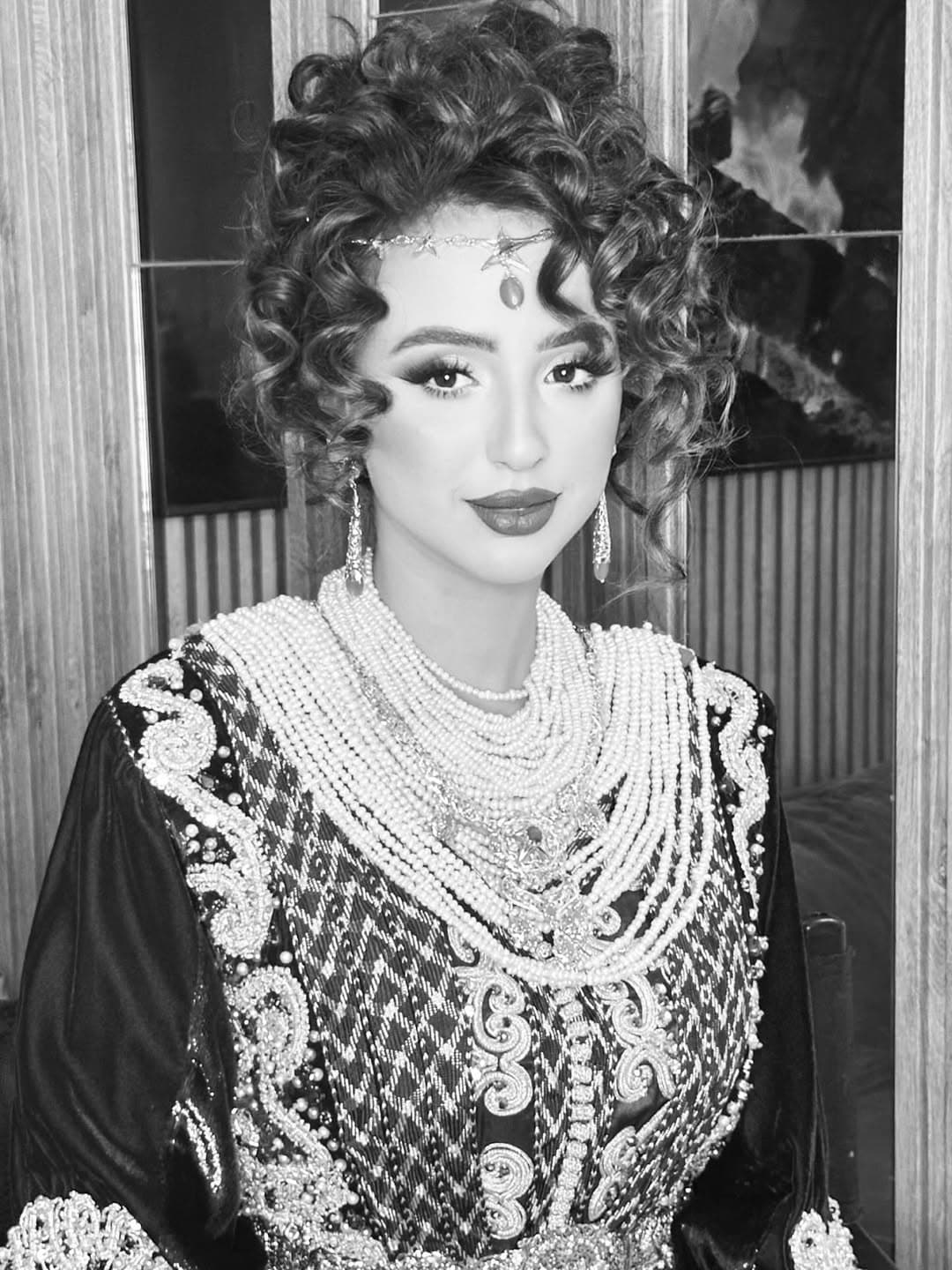
القفطان والتكشيطة وتبديلات إطلالة العروس: دليل أناقة العروس المغربية
الفرق بين القفطان والتكشيطة المغربية، إضافة إلى تبديلات العروس الخمس إلى السبع، والأقمشة والألوان والتكاليف وأحدث صيحات التكشيطة العصرية ليوم زفافك.
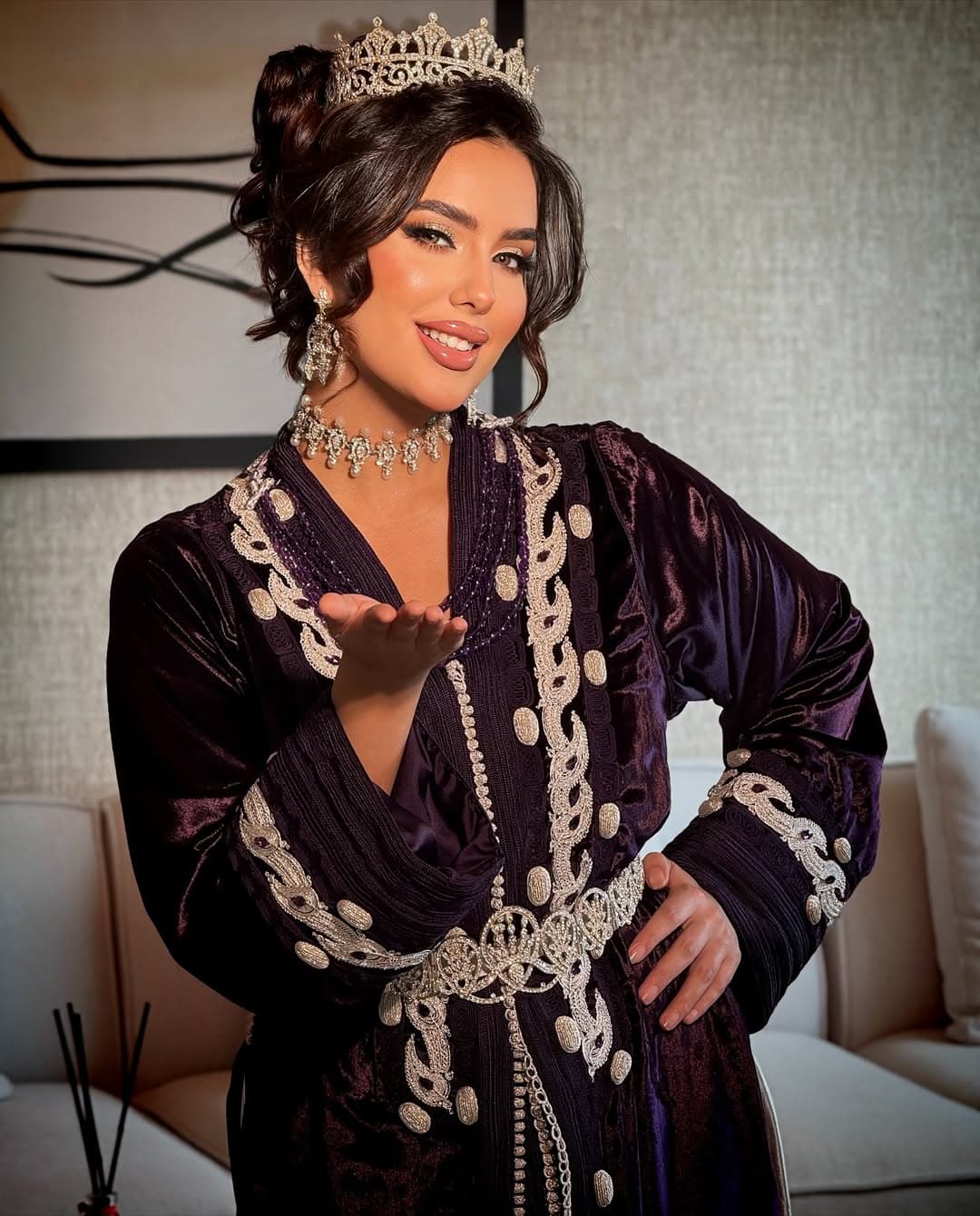
ليلة الحناء: دليل شامل إلى التقليد المغربي العريق
دليل عملي ودافئ حول ليلة الحناء المغربية: معناها، ومن يحضرها، وكيف تجري مراسمها، ونقوشها، وكيف تخطّطين لإحياء ليلتك الخاصة بأناقة.
الجدول الزمني للتخطيط للعرس المغربي: قائمة مهامك على مدى 12 شهراً
جدول زمني عملي للتخطيط للعرس المغربي وقائمة مهام شهراً بشهر: القاعة، النكافة، التريتور، القفاطين، الحناء، ويوم الفرح.